Introduction
emiconductor Electronic Components: A Brief Introduction
Semiconductors form the foundational bedrock of modern electronics. Occupying a unique position between conductors (like copper) and insulators (like glass), their defining characteristic is their controllable electrical conductivity. This crucial property, which can be precisely manipulated by factors such as temperature, light, and most importantly, the intentional introduction of impurities (doping), makes them indispensable for active electronic components.
The most common base material is silicon, valued for its stability, abundance, and excellent oxide properties. Other important materials include germanium and compound semiconductors like Gallium Arsenide (GaAs), which offer superior performance for high-frequency or optoelectronic applications.
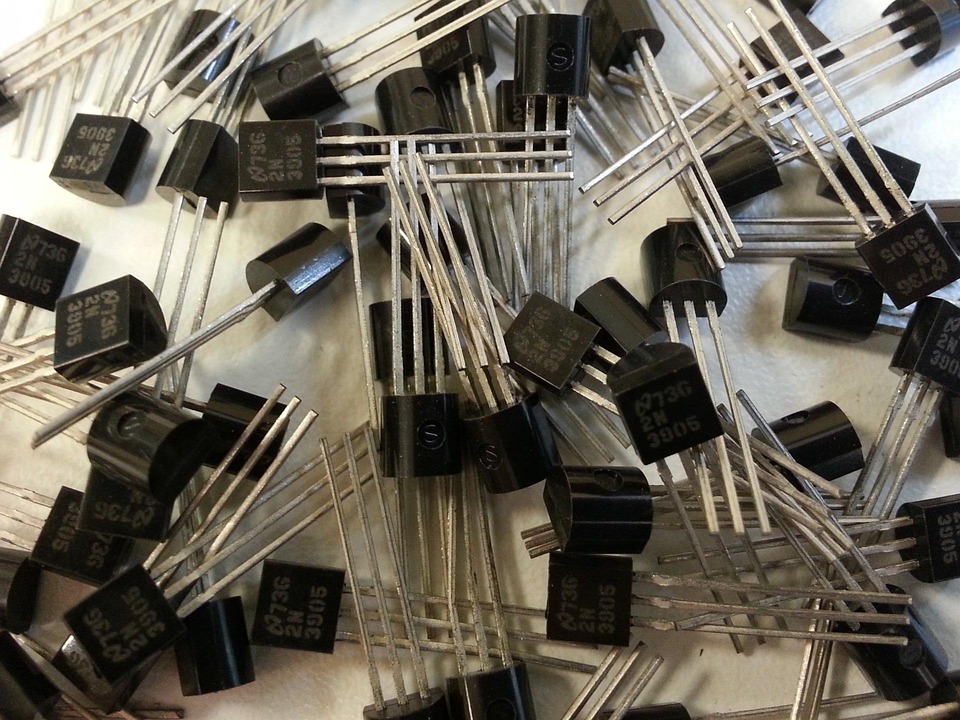
At the heart of the semiconductor revolution lies the transistor, arguably the most important invention of the 20th century. Functioning as a switch, amplifier, or voltage regulator, transistors are the building blocks of modern computation. Their miniaturization, following the trend described by Moore’s Law, has enabled the exponential growth in processing power.
Beyond the transistor, several key semiconductor components are essential:
- Diodes: Allow current to flow in only one direction, essential for rectification (converting AC to DC) and signal demodulation.
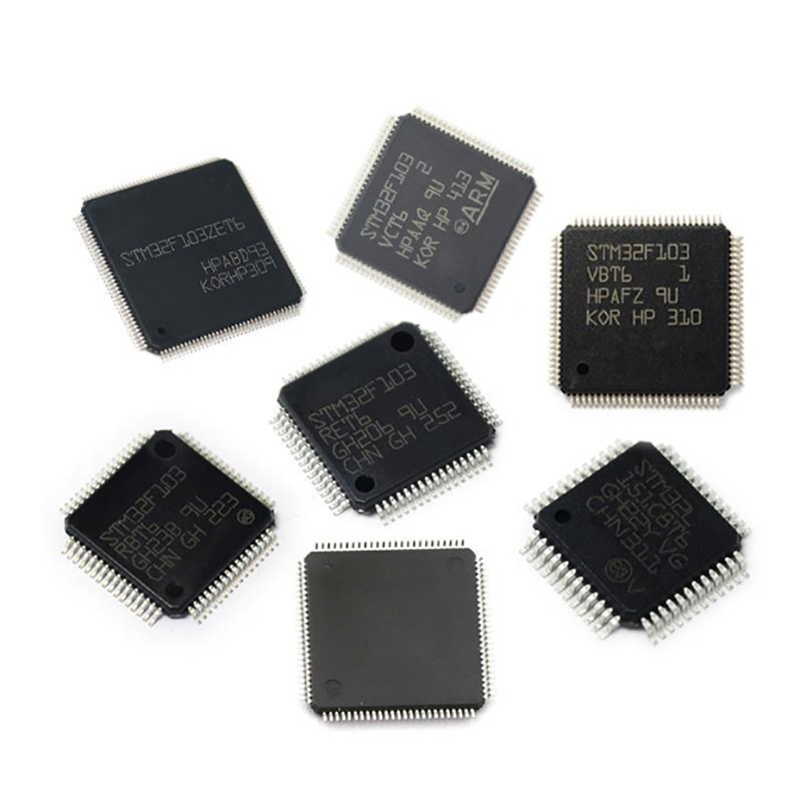
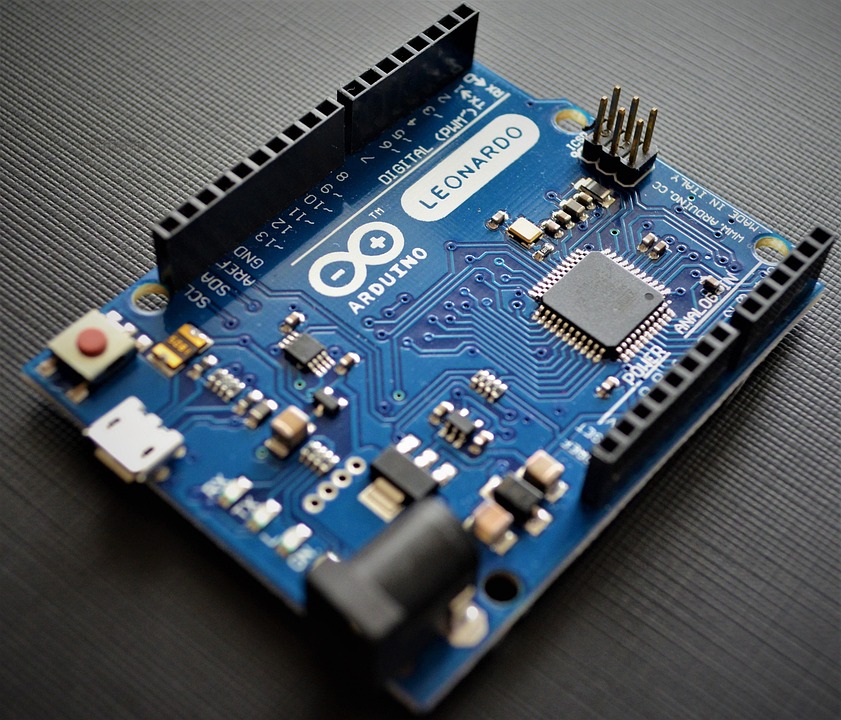
- Integrated Circuits (ICs): These are complete electronic circuits, containing billions of transistors, resistors, and capacitors fabricated onto a single chip of silicon. Microprocessors, memory chips (RAM, Flash), and logic arrays are all ICs.
- Optoelectronic Devices: These convert electrical energy to light or vice-versa. Light-Emitting Diodes (LEDs) and laser diodes are ubiquitous in displays and communications, while photodiodes and image sensors detect light.
The manufacturing of these components is a marvel of precision engineering. It involves intricate processes like photolithography (using light to print circuit patterns), doping, etching, and thin-film deposition, all performed in ultra-clean environments called fabs.
In application, semiconductors are everywhere. They are the core of computing (CPUs, GPUs), data storage, telecommunications, power management systems, and sensor arrays. They control everything from smartphones and vehicles to industrial machinery and medical equipment.
In summary, semiconductor electronic components, through their ability to precisely control electrical current, enable the logic, memory, and signal processing functions that define the digital age. Their continued evolution in materials, design (like 3D transistor architectures), and manufacturing drives innovation across virtually every sector of technology and industry.