Introduction
Industrial control electronics form the critical backbone of automation systems, enabling precise, reliable, and efficient operation of machinery and processes across manufacturing, energy, transportation, and infrastructure. Unlike commercial-grade components, these products are engineered to withstand the extreme demands of industrial environments, characterized by wide temperature fluctuations, electrical noise, vibration, humidity, and continuous operation.
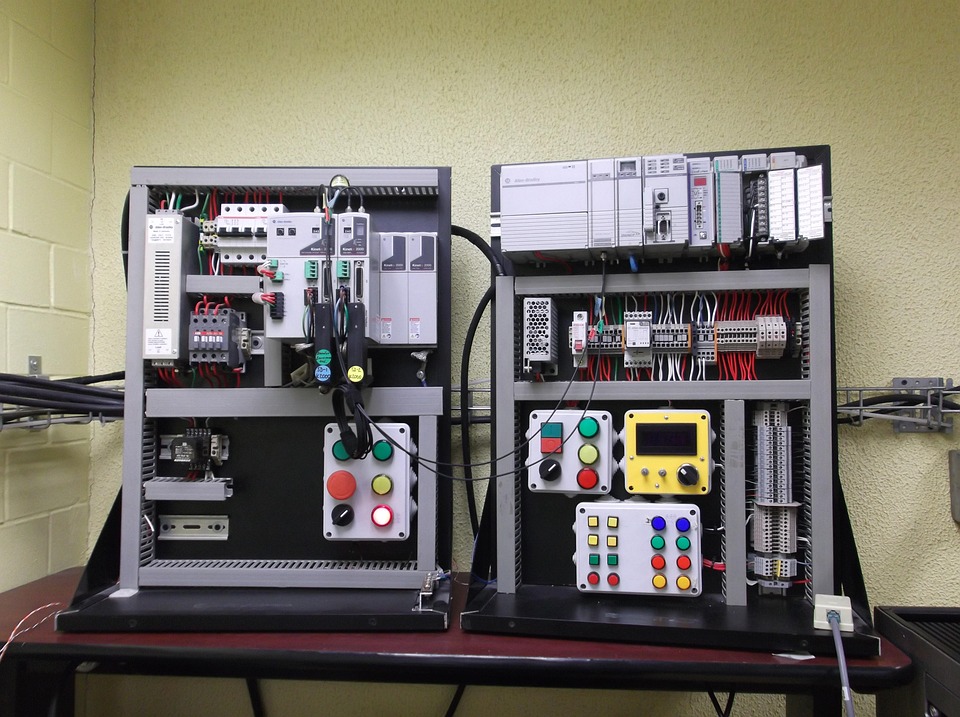
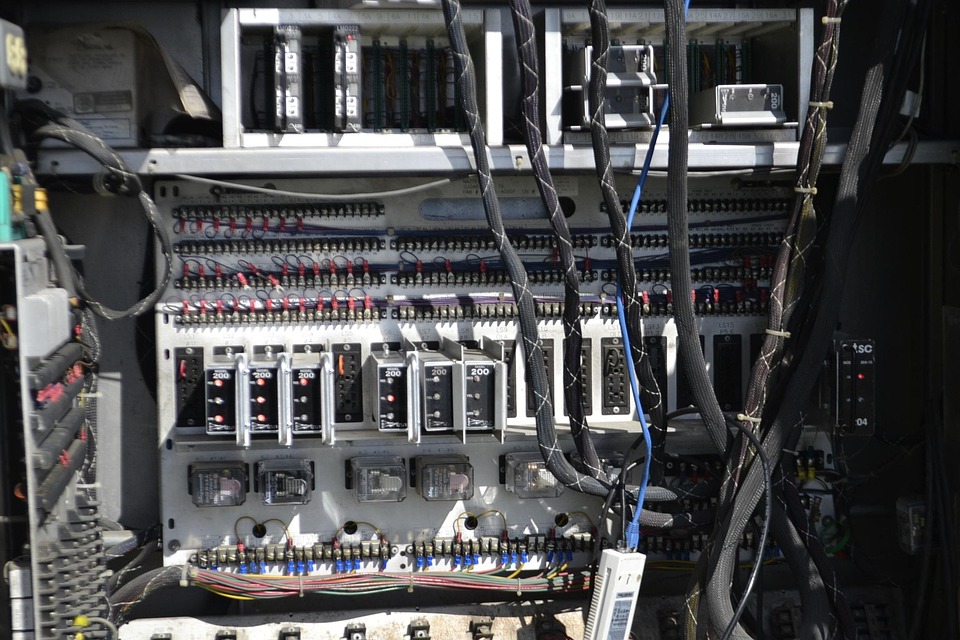
The core of industrial control lies in Programmable Logic Controllers (PLCs) and their specialized I/O modules. PLCs are ruggedized industrial computers that execute control logic, replacing complex relay systems. They interface with the physical world through digital input modules (sensing switch states) and output modules (controlling actuators, valves), as well as analog modules for precise measurement and control of variables like temperature, pressure, and flow.
Human-Machine Interface (HMI) units provide the vital link between operators and the system. These industrial-grade touchscreens or panel PCs allow for process visualization, data monitoring, parameter setting, and alarm management.
Motion control is a sophisticated domain relying on dedicated components. Servo drives and stepper drives translate control signals into precise electrical power to motors. They work in tandem with feedback devices like encoders and resolvers, which provide real-time position/speed data to ensure accuracy in robotics, CNC machines, and conveyor systems.
Power management and conversion are paramount. Industrial power supplies deliver clean, stable, and isolated DC power from harsh AC mains, often with wide input ranges and high immunity to surges. Motor starters, contactors, and solid-state relays (SSRs) handle high-power switching tasks.
Communication and connectivity modules are essential for modern Industrie 4.0 systems. These include industrial Ethernet switches (e.g., PROFINET, EtherNet/IP), fieldbus adapters (e.g., PROFIBUS, Modbus), and wireless modules, enabling seamless data exchange between controllers, sensors, and enterprise systems.
Sensors and transducers act as the system’s senses, providing data on physical conditions. Key examples include proximity sensors, photoelectric sensors, temperature transducers (RTDs, thermocouples), and pressure transmitters.
Finally, the ecosystem includes embedded computing boards (single-board computers, system-on-modules) for complex processing, ruggedized connectors, and protective components like surge protectors.
In summary, industrial control electronics are defined by their robustness, reliability, real-time performance, and interoperability. They are designed for long-term availability, modularity for easy maintenance, and adherence to stringent international safety and EMC standards. By integrating these hardened components, engineers build systems that enhance productivity, ensure safety, and enable the intelligent, connected factories of today and tomorrow.