Managing Thermal Runaway in High-Power Density Semiconductor Designs
Case 2025-12-12
The relentless push for miniaturization and higher performance has led to unprecedented power densities in components like CPUs, GPUs, power MOSFETs, and LED arrays. The resulting heat, if not managed, causes a vicious cycle known as thermal runaway: increased temperature raises semiconductor junction resistance (in some cases) or leakage current, leading to more power dissipation, further heating, and ultimately catastrophic failure. Effective thermal management is therefore a fundamental electrical design requirement.
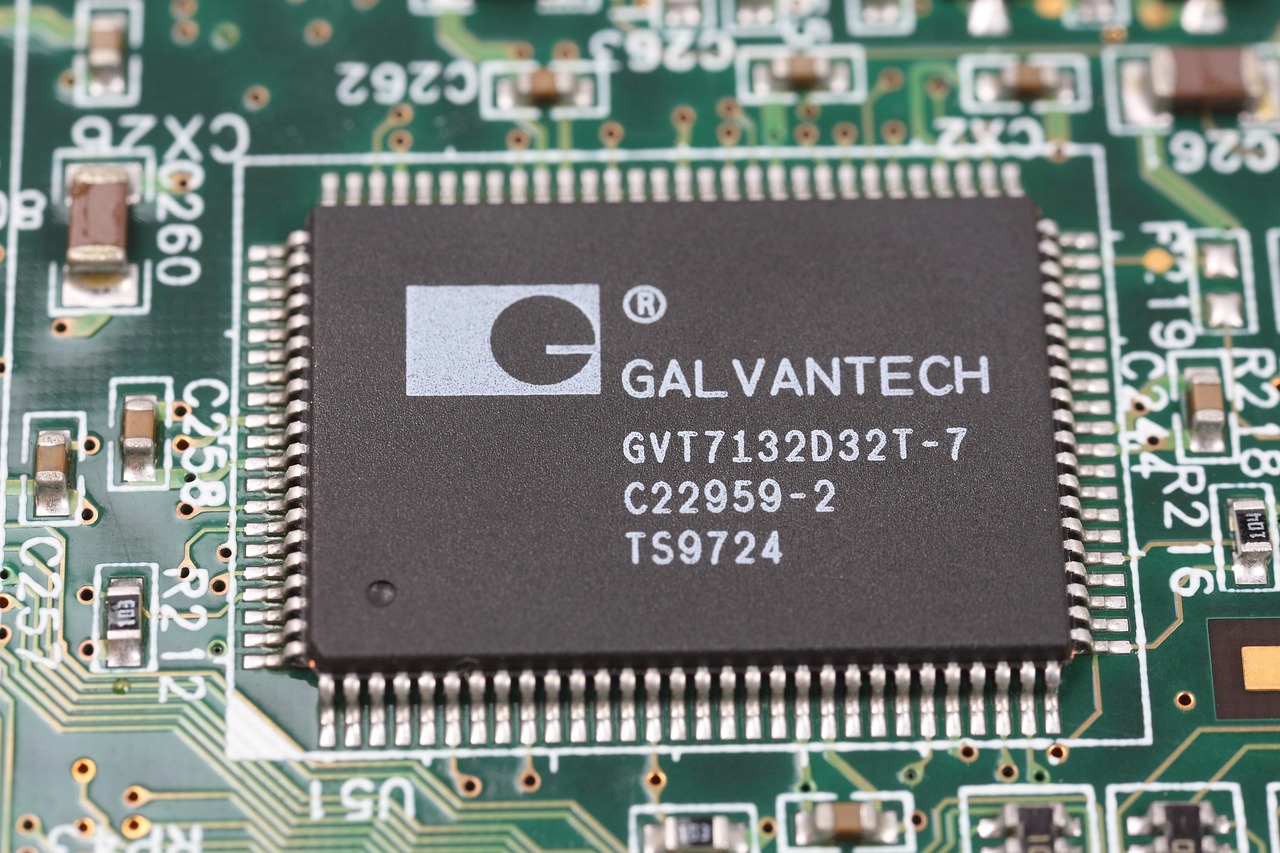
Solutions operate on the principle of minimizing thermal resistance (θ) from the semiconductor junction to the ambient environment. This starts at the component level: selecting packages with lower junction-to-case thermal resistance (θ_JC), such as DirectFET, TO-LL, or flip-chip BGA packages. For discrete power devices, packages with exposed metal pads for direct soldering to a thermal landing are essential.
The primary heat evacuation path is through the printed circuit board (PCB). Using thick copper planes (2oz or more) or dedicated thermal vias (filled with thermally conductive epoxy) directly under the component’s thermal pad is crucial. These vias conduct heat from the top layer to inner ground planes or a bottom-side copper pour, effectively using the PCB as a heat spreader.
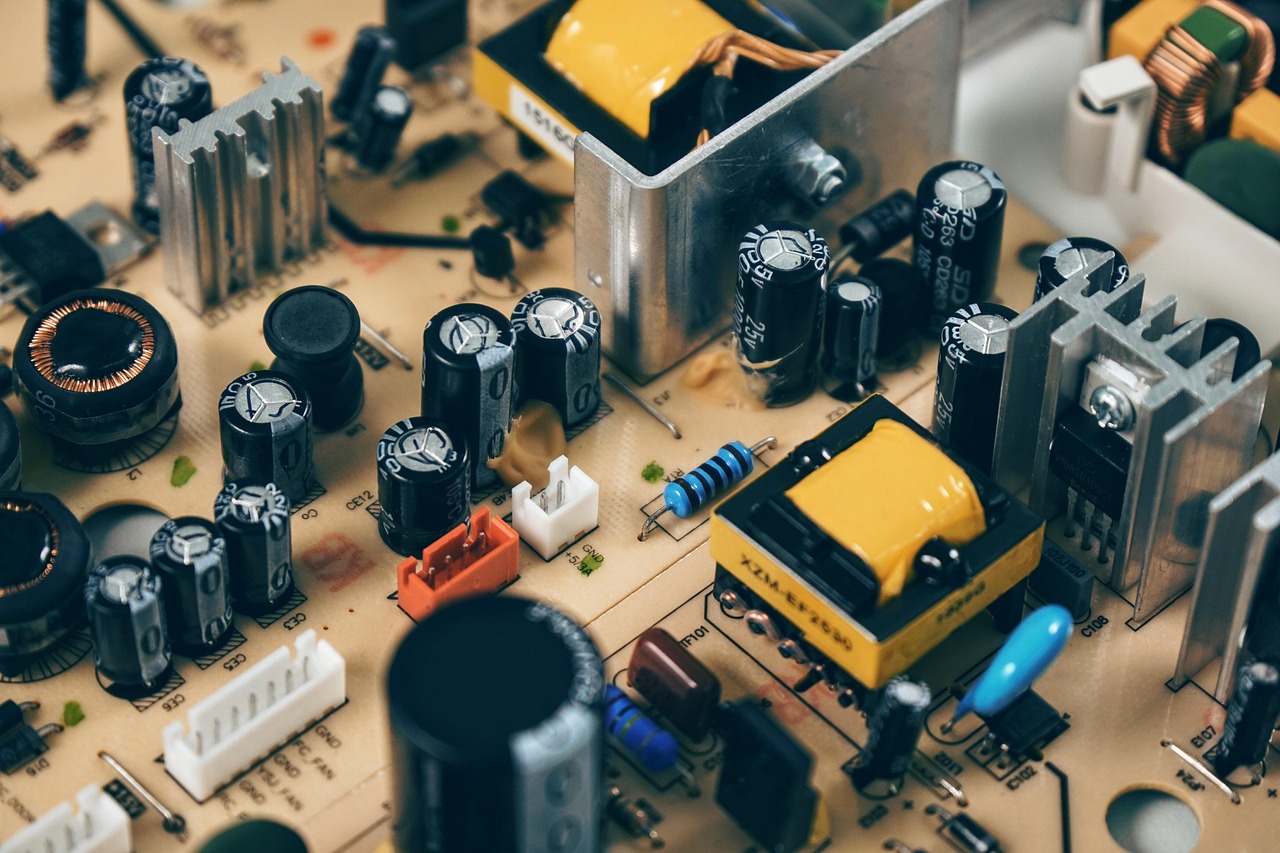
The next critical interface is the external heatsink. The use of a high-quality thermal interface material (TIM)—thermal grease, gap pads, or phase-change materials—is vital to fill microscopic air gaps between the component package and the heatsink, drastically reducing θ_CS. For forced-air cooling, heatsink design (fin density, surface area) must be optimized for airflow.
Advanced solutions involve active monitoring and control. Embedding a temperature sensor (like a diode-integrated sensor in many MCUs) near or within the hot component allows real-time thermal feedback. The system firmware can then implement dynamic frequency and voltage scaling (DVFS), throttling performance to reduce power dissipation when a temperature threshold is approached. In multi-phase power supplies, controllers can adjust phase shedding based on thermal conditions. For the highest-density applications, liquid cooling or vapor chamber solutions directly integrated into the system architecture become necessary, representing the ultimate escalation in moving heat from the junction to the external world efficiently and reliably.